
When a Man Loses His Hands
A reflection on masculinities, old wounds and the silence that makes us ill
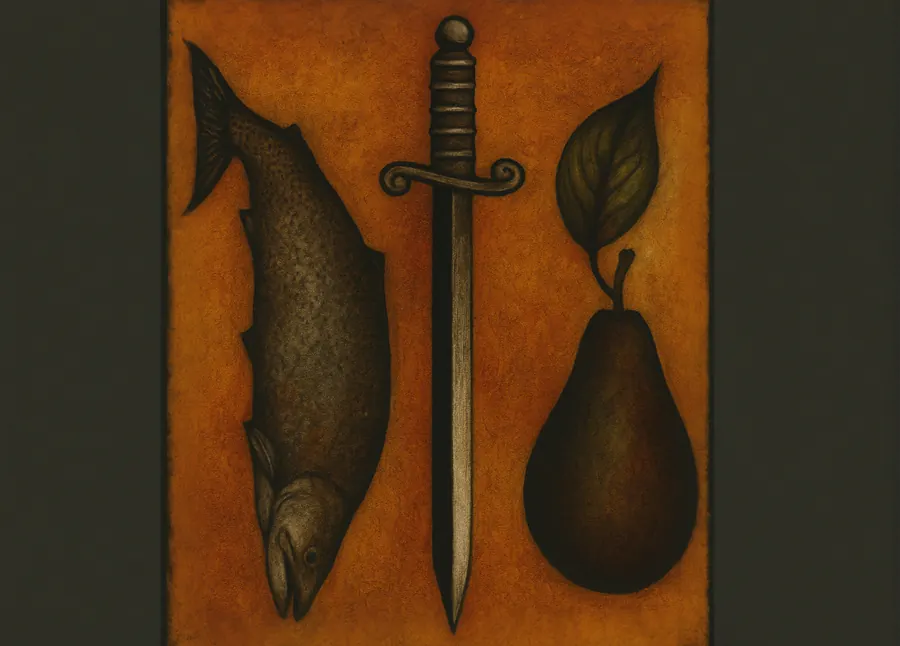
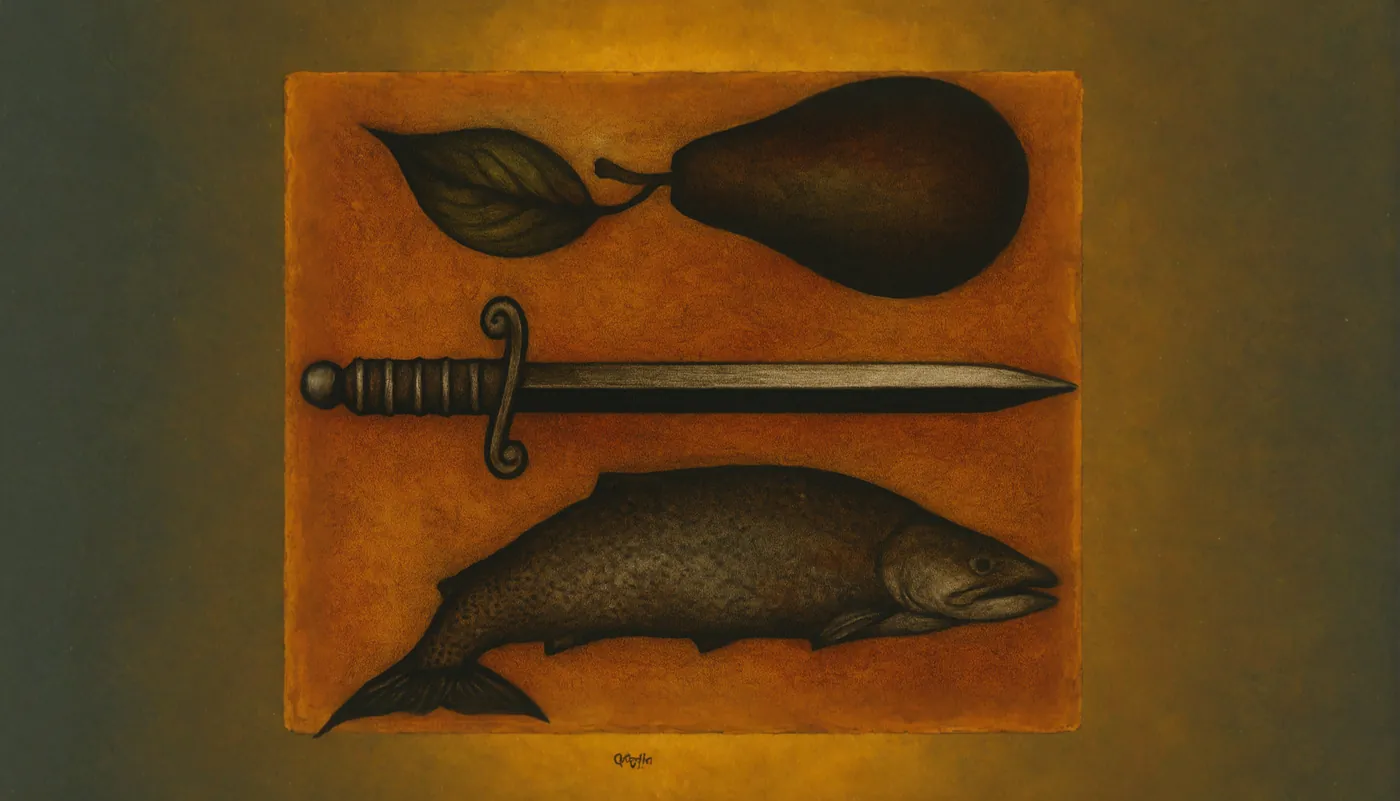
There are old stories that seem to have been written for this century.
One of them is the tale of The Handless Maiden, collected by the Brothers Grimm.
It begins with a pact made by a naïve father, seduced by the promise of wealth.
The devil comes to collect his due and demands the daughter, but she is so whole that she becomes unreachable.
Then comes another demand: that her hands be cut off.
She sets out into the world unable to touch.
And when she finally finds shelter and love, she is given a pair of silver hands to replace the ones she lost.
Strong hands, beautiful, functional.
Hands that solve the problem, but do not give life back.
Only after years of exile and silence do her true hands begin to grow again.
Slowly.
Vulnerable.
Human.
Fairy tales always speak about us, even when we don’t know it.
And when I think about masculinities today, this one feels even more meaningful.
We live in a world that constantly pushes us towards efficiency.
Byung-Chul Han calls it the achievement society:
A way of existing in which we are summoned to function all the time, to produce, respond, improve, optimise.
Along this path, many boys learn early on to amputate essential parts of themselves.
The hand that touches and feels, that seeks connection, the hand that asks for help… slowly disappears.
In its place a polished hand is born:
the hand that solves, that endures, that carries everything in silence.
It is our “silver hand”. Beautiful, but artificial.
And no matter how many achievements it holds, it does not feel.
It does not notice when something hurts.
It does not know how to ask for rest.
It does not recognise when it is overloaded.
It just keeps going.
Until, one day, the body speaks.
Or the relationship collapses.
Or the man no longer knows what he feels behind the noise.
Or life becomes a continuous hum, like the robot in the modern story told by Robert Johnson, where even the heart seems to have been replaced by functioning.
The myth of The Handless Maiden points to a gesture that is simple and, at the same time, profound:
the hands only return when the soul finds room to breathe.
When a man slows down enough to notice what he has been avoiding.
When silence stops being a threat and becomes a place again.
When touch, inner or outer, stops being a risk and becomes an encounter again.
Many of the men who come to me carry this wound.
Something was torn away along the way:
spontaneity, affection, asking, tenderness, rest, insecurities, truth.
But the good news is that human hands do come back.
Slowly, in the soul’s own time.
First as a faint sensitivity, then as a deeper perception, until the gesture carries life once more.
And when that happens, masculinity stops being a performance.
It becomes real again, spontaneous, genuine.
If you feel that your hands have not truly touched anything in a long time, neither yourself nor another, perhaps this is the moment to listen to that call.
The human hand does not return through force.
It returns through honesty.
Through a slower rhythm.
Through meeting yourself.
Through contact with what you left along the way in order to survive.
May this old story serve you as an invitation:
there are parts of you trying to grow again.
Even if slowly.
Even if fragile.
Even if in silence.
Life always knows the way back.
If any part of this text resonated with you, allow that resonance to stay.
There is no need to rush an understanding or turn this into a task.
Maturity begins when we stop running from what is already in front of us.
Our inner hands are restored at the pace life can bear.
Not before, not after.
And sometimes all we can do is make a little room to notice what is trying to emerge.
May you hold that space with dignity.
And, when you feel the time has come, take the next step with the honesty of someone who no longer needs to prove anything.
I am here, if it makes sense to walk together, here.
Newsletter
Essays by email
New essays on Jungian psychology, masculinity, myth and the body, sent to your inbox. Most are written in Portuguese, with some in English.
Free, via Substack. Unsubscribe at any time. Privacy policy.